

An Orthodox Easter
...on Patmos revisited

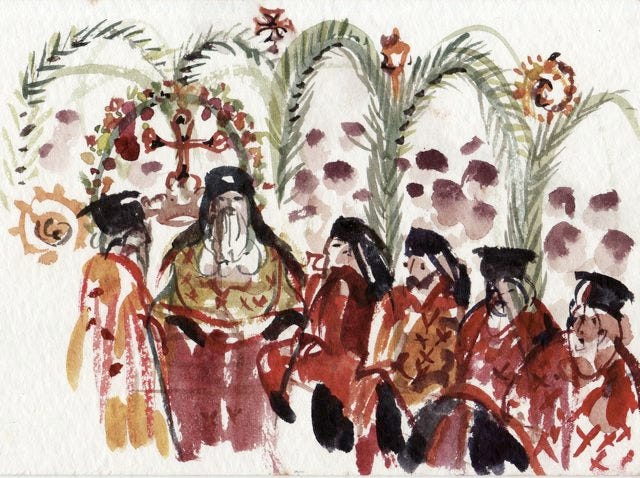
Greek Orthodoxy celebrates Easter week according to the Gregorian calendar - this year’s Easter Sunday comes in three days’ time, 12th April - at least a week, sometimes even a month, later than the Roman Catholic and Non-Conformist Churches.
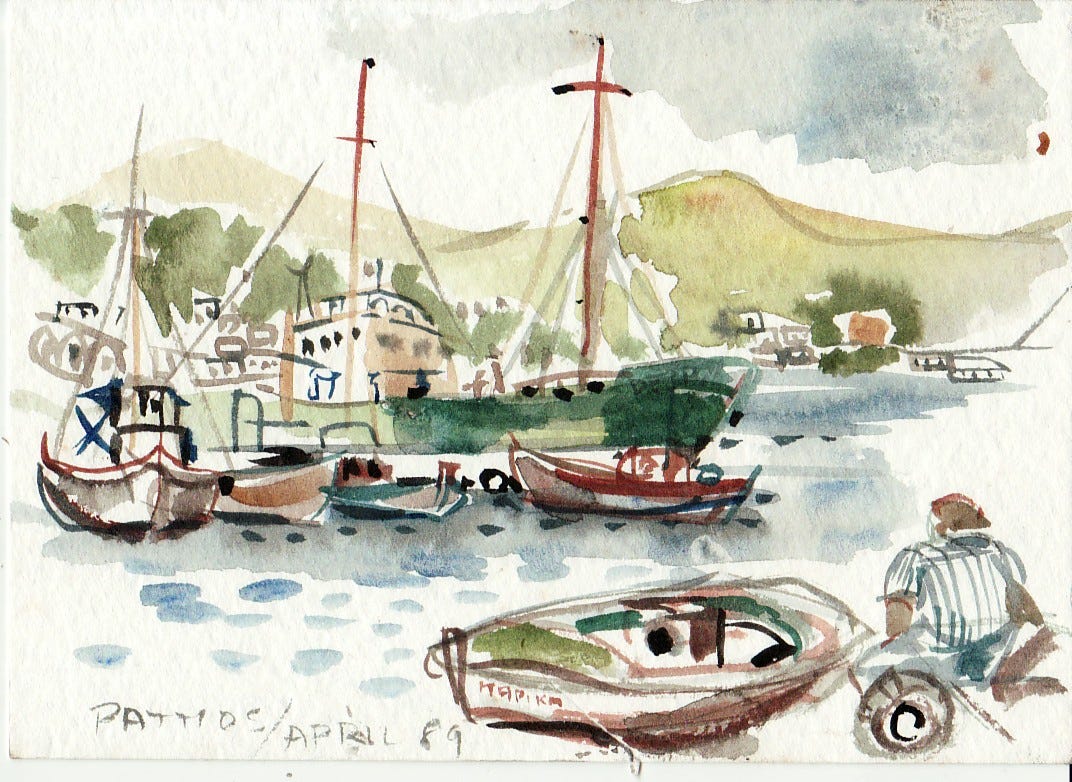
On the Aegean island of Patmos, a pair of rocky peaks in the Dodecanese within sight of the coast of Turkey that serves as a staging post for migrating birds and butterflies heading for the coast of Africa, a hop and a skip from the gates of Jerusalem, the monks of the monastery of St. John the Divine (he of dire warnings as penned in the Book of Revelations) have been celebrating Easter in much the same way for a thousand years.
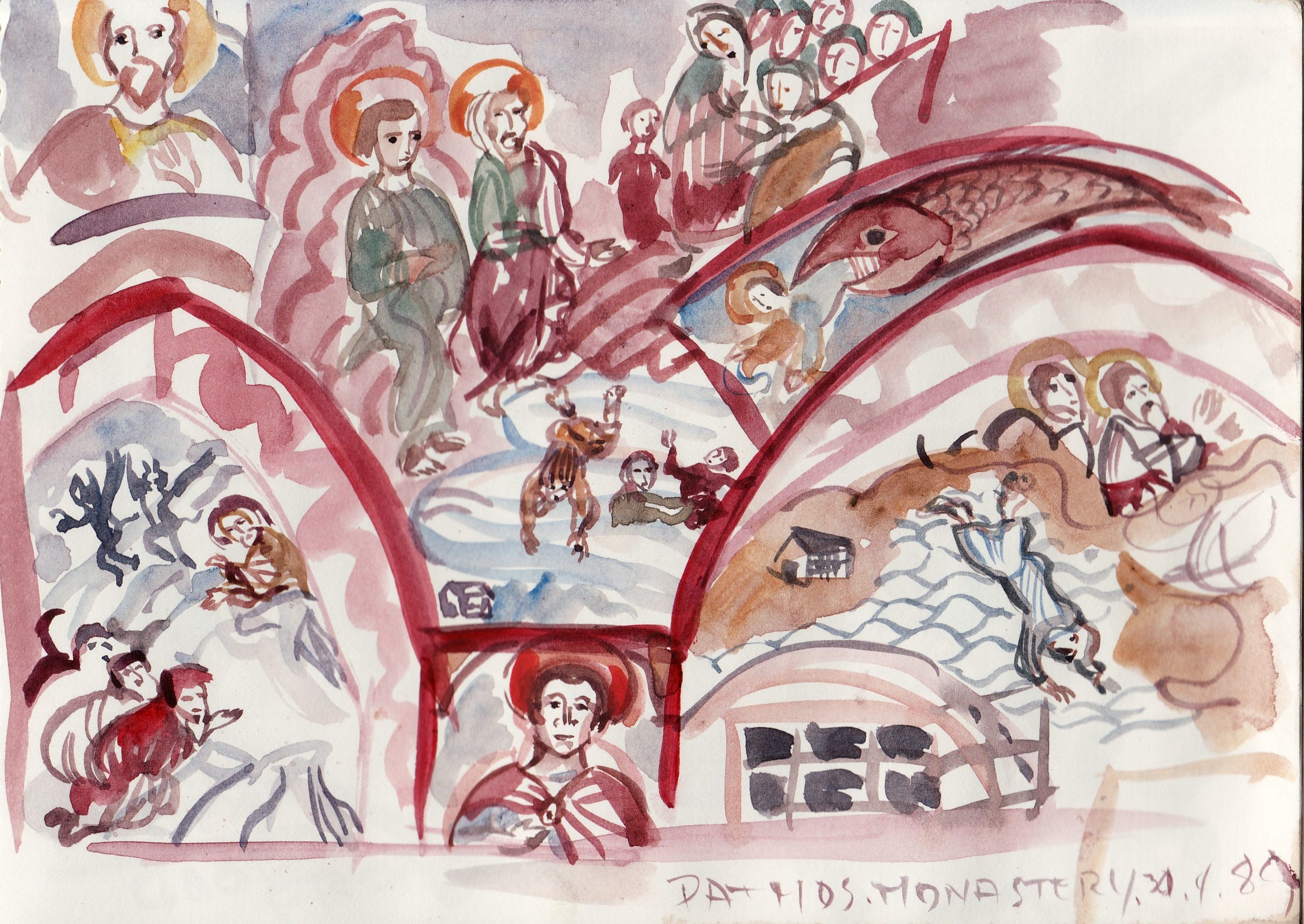
Which was why, when researching European Festival Food, companion volume to European Peasant Cooking, I spent Easter week on the island among the congregation at Chora. All-comers were made welcome - this was in 1989, when tourists were few and mostly in the summer - and the monks held open house, providing water from the well and baskets of bread from the bakery from Palm Sunday to Easter Monday.
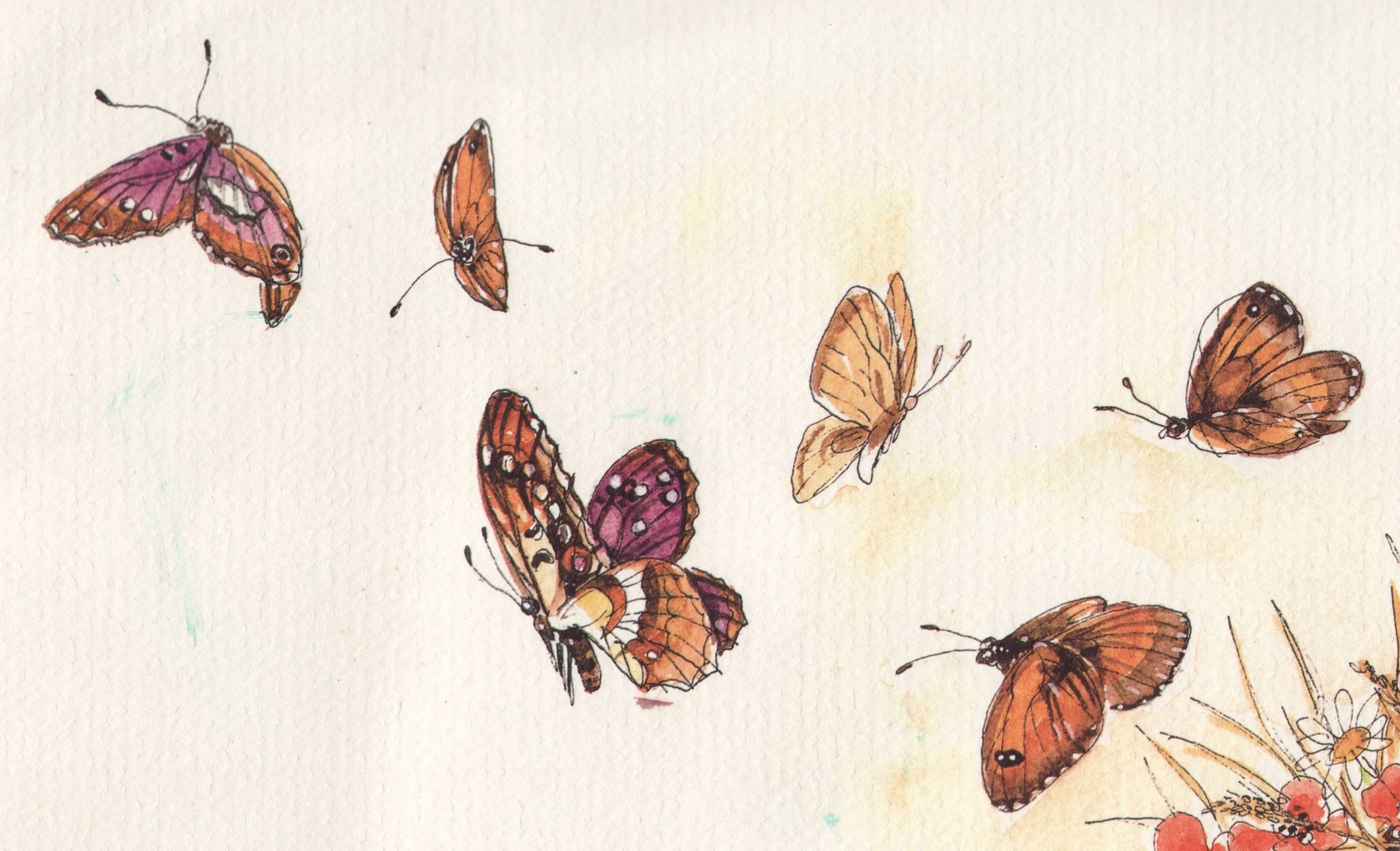
Easter being time when city-dwellers return to the islands to celebrate the holiday with their families, the monastery church remained open day and night throughout the whole of Holy Week. On Easter Thursday, the monks descended from the monastery to join the congregation for a re-enactment of the Last Supper on a dais set up in the village square at the edge of a sheer precipice that falls directly into the sea. At the moment of Judas’ betrayal, a great flock of migrating butterflies descended from a cloudless sky and settled on foreheads, arms and shoulders, and just as suddenly, continued on their way.
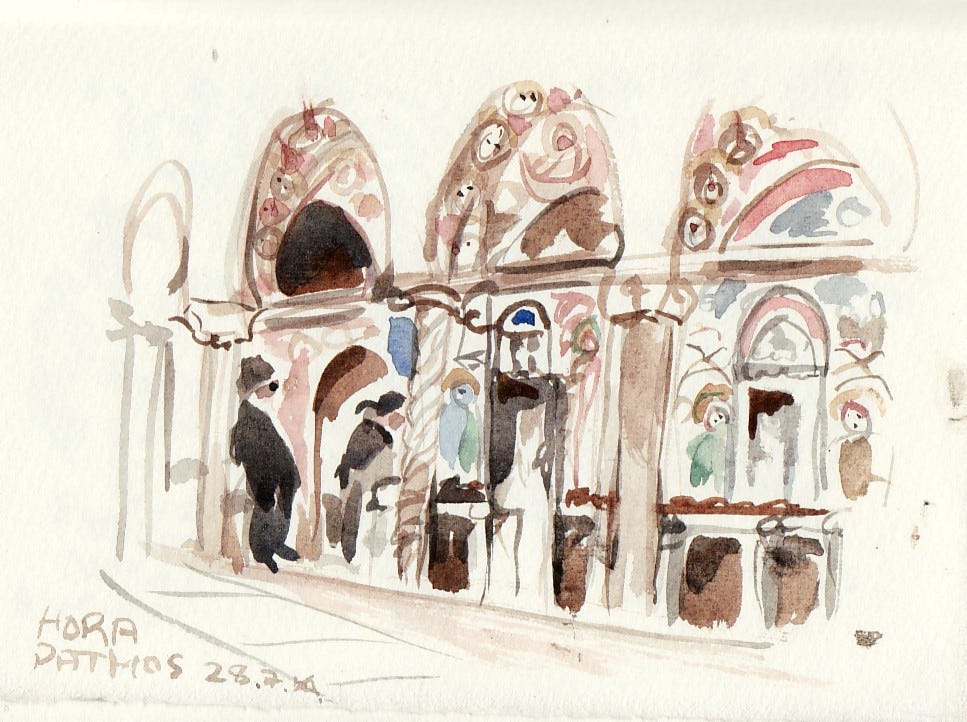
Many of the monks were married before they took holy orders, and the monastery was busy day and night with families reunited for holiday. Grandfathers settled down corners of the courtyard to talk over old times while grandchildren tumble up and down the whitewashed steps of the frescoed chambers.
Bread for the Host was - perhaps still is - baked each day in the village bakery - but great crusty wheels of prosforon - offering bread - a full yard in diameter, double-tiered, made with best wheat flour. Only the cross-stamped central piece is distributed from the altar - the rest is laid out in shallow baskets for those who keep the long hours of the vigils, or are taken home for the Easter meals.
In devout Chora, while egg-cracking is - was - permitted as a friendly gesture when wishing neighbours “Christ is risen” after midnight mass, they do not like to make too much of the Sunday feasting. Instead of the whole lamb turning on a spit, as happened in the port down below, the monks and families and villagers of Hora took their Easter Sunday lamb (chunked and flavoured with garlic, lemon and rosemary and basted with olive oil was) to the baker’s oven after the last bread-baking and left it there to cook overnight. On Sunday, everyone stayed home to share the meal quietly with family, friends and (happily for me) taking pity on passing strangers.
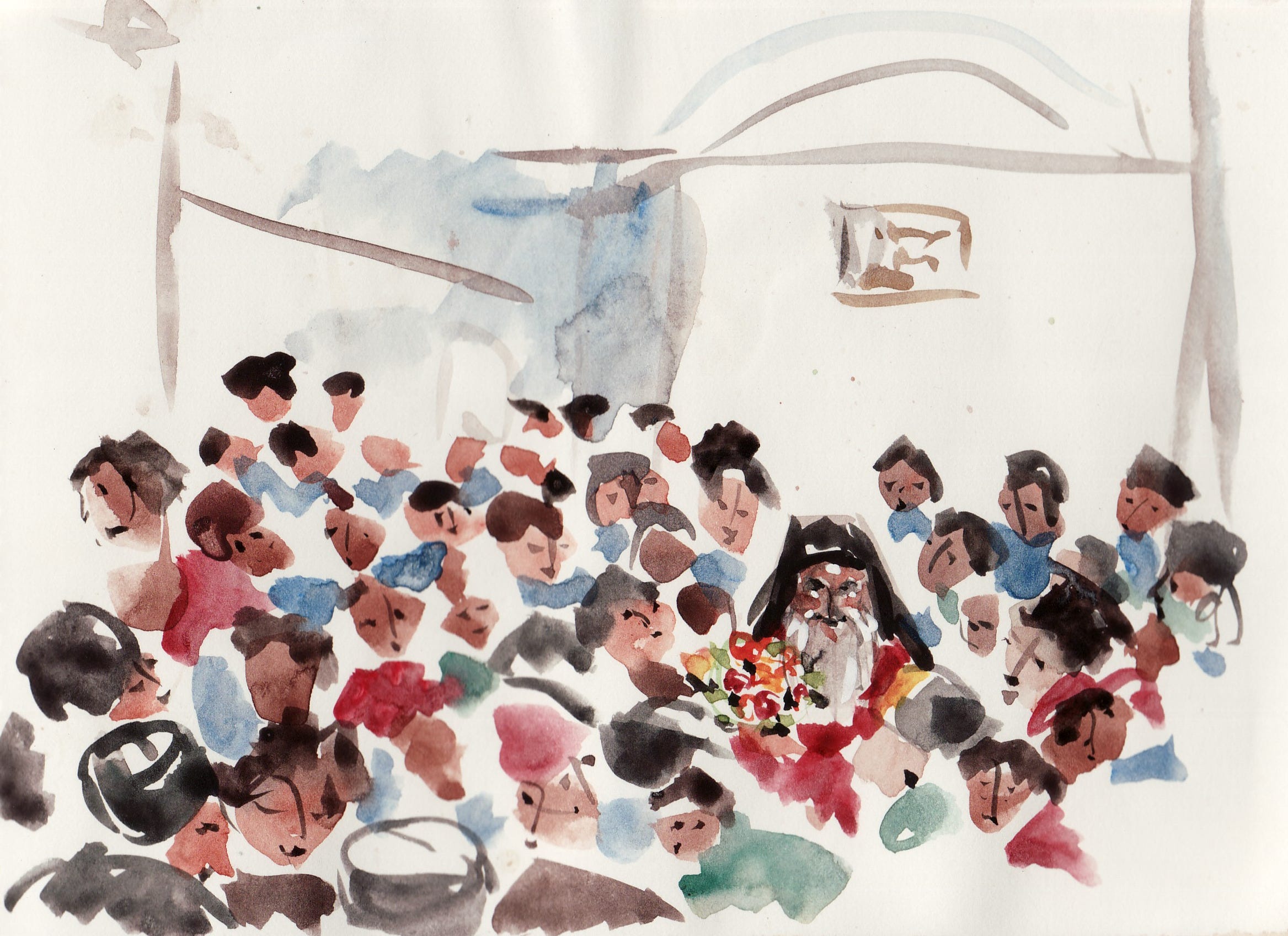
Everything changed on Easter Monday. If Sunday had been a day of quiet thanksgiving, Monday is the day for celebration, when everyone turns out in their best and parades around the streets meeting and greeting and exchanging news. Sweet things are permitted, the nuns had been hard at work in the convent kitchen baking honey cakes and other Easter goodies, and thte Patriarch himself descended from the monastic heights to bless his people and their dwellings with water shaken from a posy of spring flowers.
p.s. Beloved paid subsribers will shortly be in receipt of recipes for oven-baked lamb and honeycake.
p.p.s. more stories and recipes in European Peasant Cookery (Grub Street).
Were there dead lambs hung up on Friday? (For roasting/cooking for Sunday) A friend who spent several Easter times in Crete described this in the villages inland in the late 1970's
Lovely memories. Im sure it’s packed with instagramming tourists these days.