

At High Table with Virginia Woolf
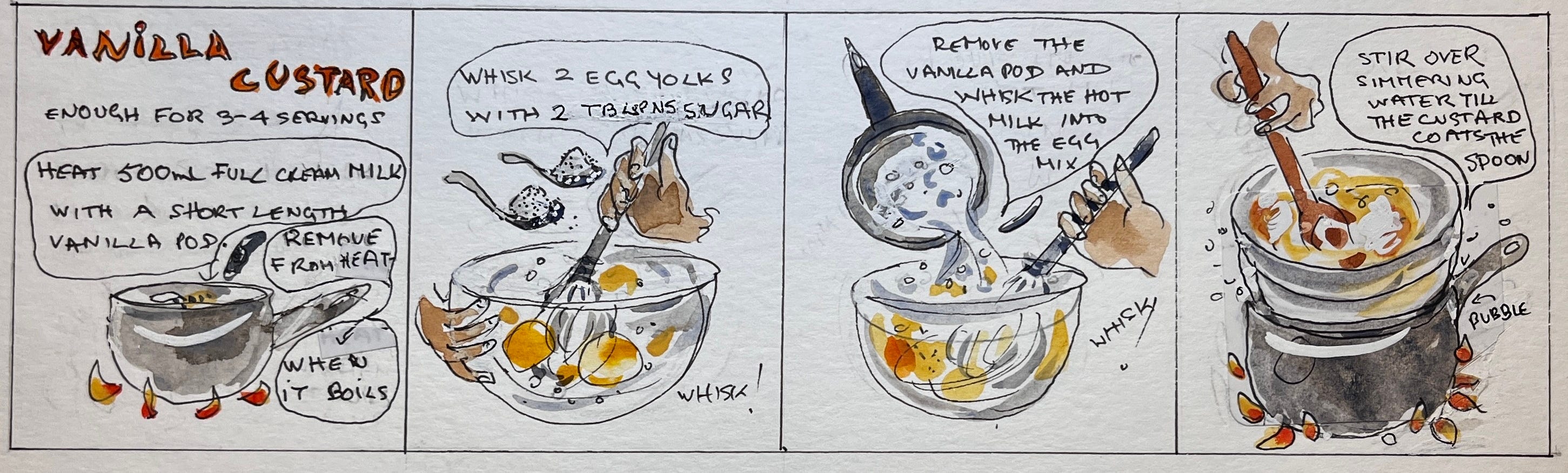
...not forgetting the custard

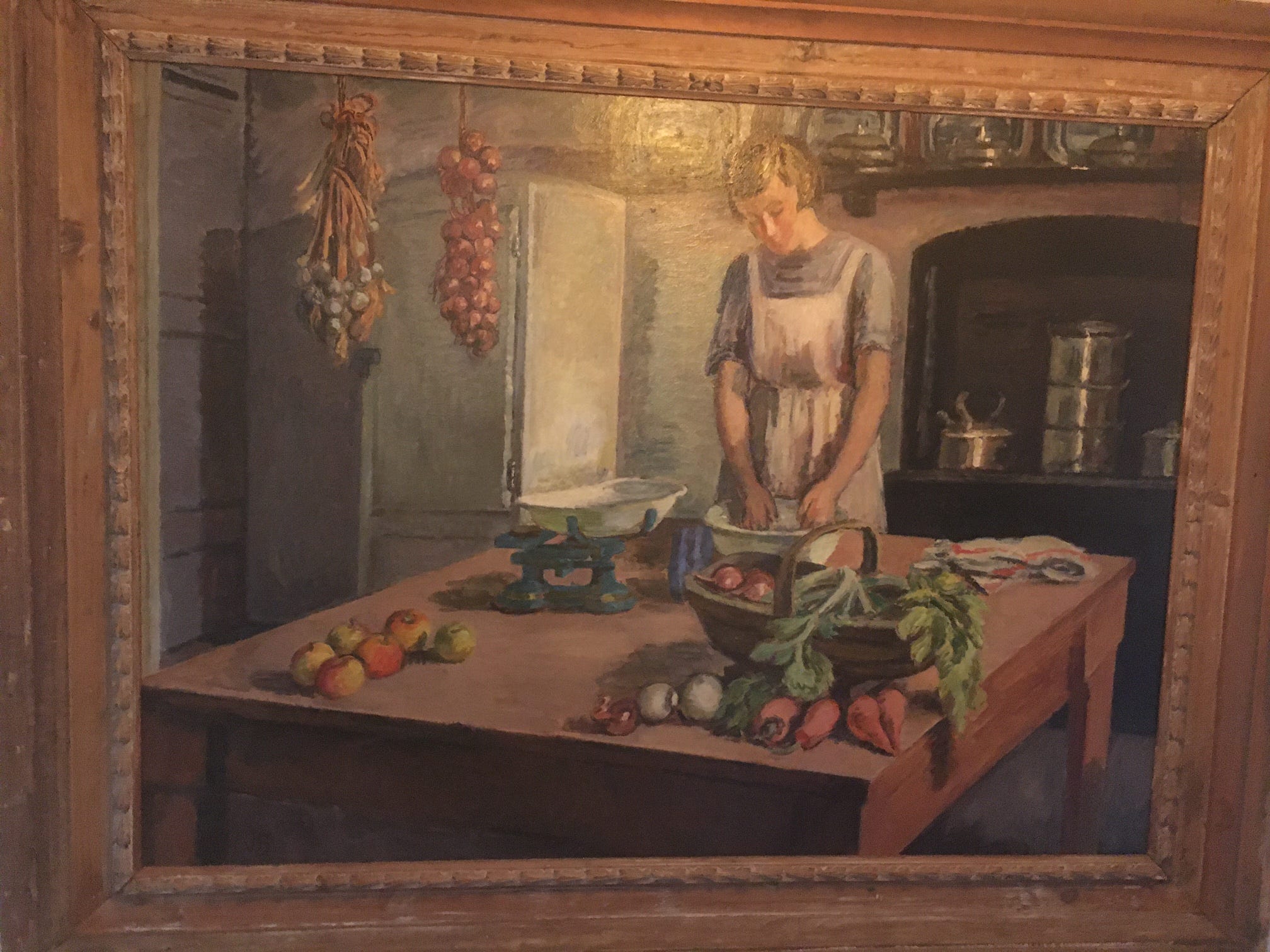
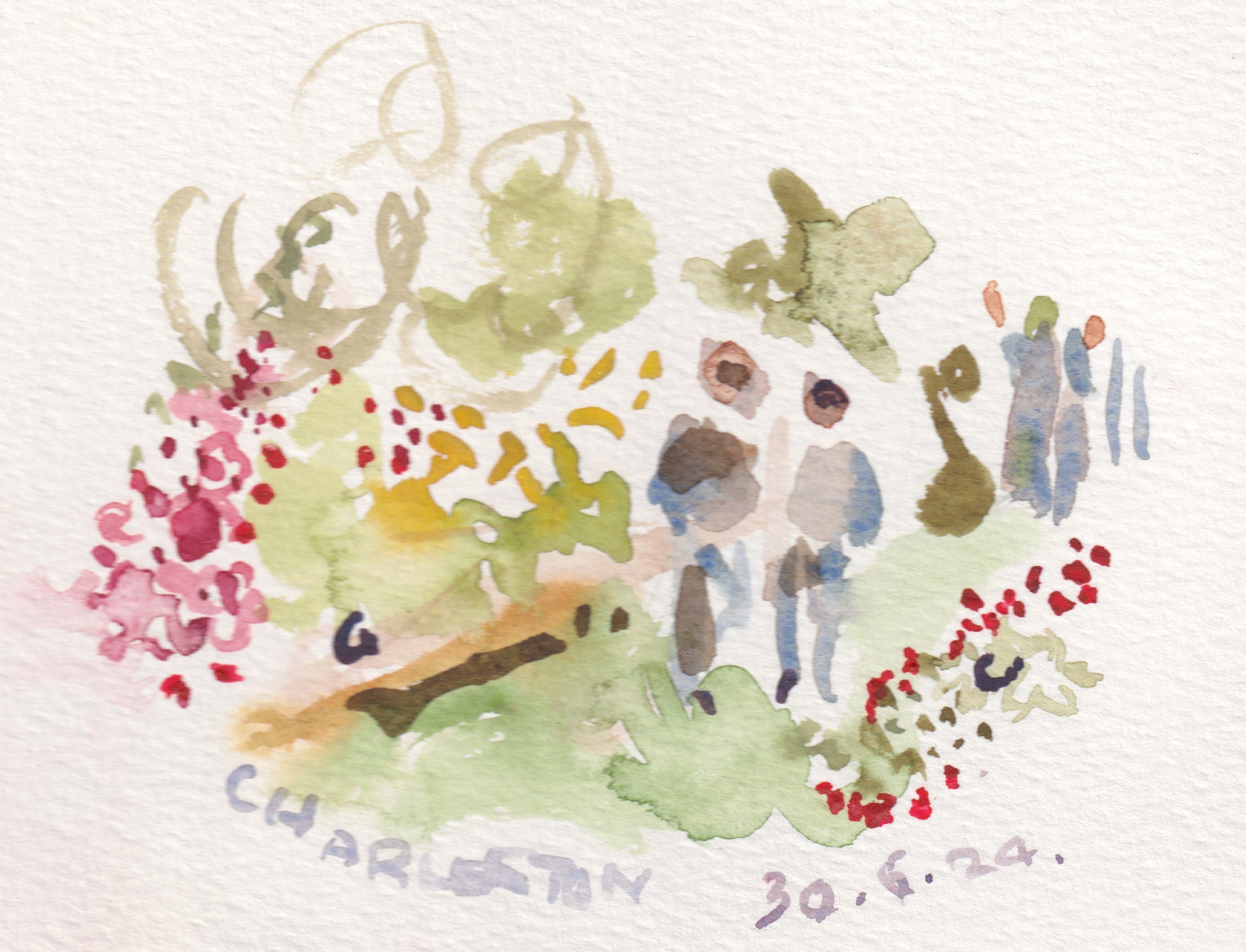
Good news for fans of Virginia Woolf - certainly for me, ever since I fell upon Orlando as published under plain cover in a Travellers’ Companion edition (very racy) found in the English bookshop in Paris circa 1958 (well - I was just seventeen and bookish). Mrs. Woolf’s manuscript - Virginia Stephen as she then was - was found in plain sight at Longleat House, family home of the Marquess of Bath, where Virginia and her sister Vanessa were frequent visitors. Written in 1906 and amended in 1907, the triology, three satirical tales about a giantess named Violet, is about to see the light of day in its final version as The Life of Violet next month. The Bloomsbury Group was based at Charleston in Sussex, not far from my mother-in-law lived all her life. She was a friend of Quintin Bell, art historian and potter, Vanessa’s son, so I knew the house and the garden well while it was still in more-or-less private hands.
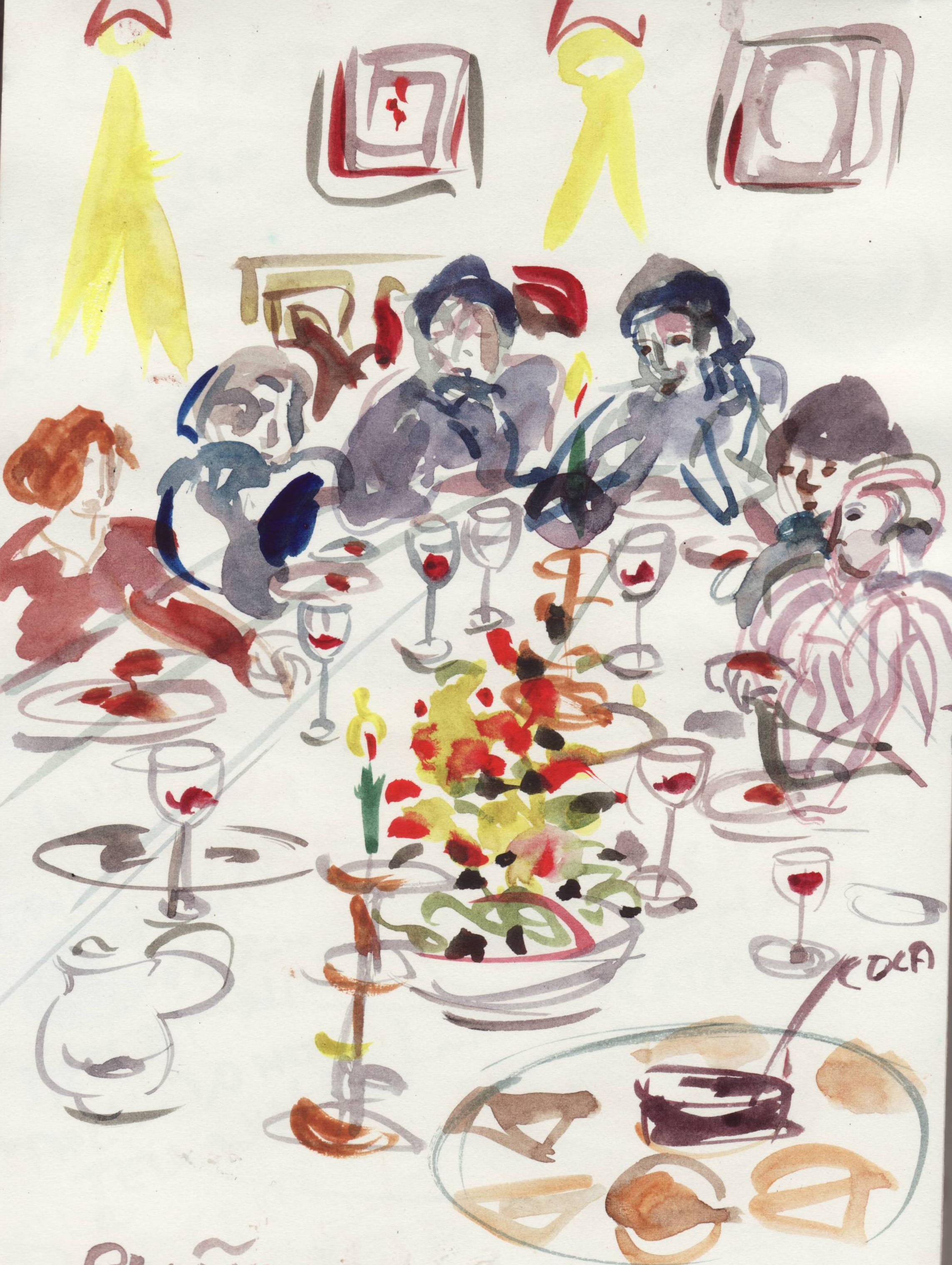
An imagined Oxbridge dinner at High Table, described in ‘A Room of One’s Own’, first published in 1929 and based on a couple of lectures delivered they year before at Cambridge’s then women-only colleges, Newnham and Girton. “One cannot think well, love well, sleep well, if one has not dined well.” Quite so.

“It is a curious fact that novelists have a way of making us believe that luncheon parties are invariably memorable for something very witty that was said, or for something very wise that was done. But they seldom spare a word for what was eaten. It is part of the novelist’s convention not to mention soup and salmon and ducklings, as if soup and salmon and ducklings were of no importance whatsoever, as if nobody ever smoked a cigar or drank a glass of wine
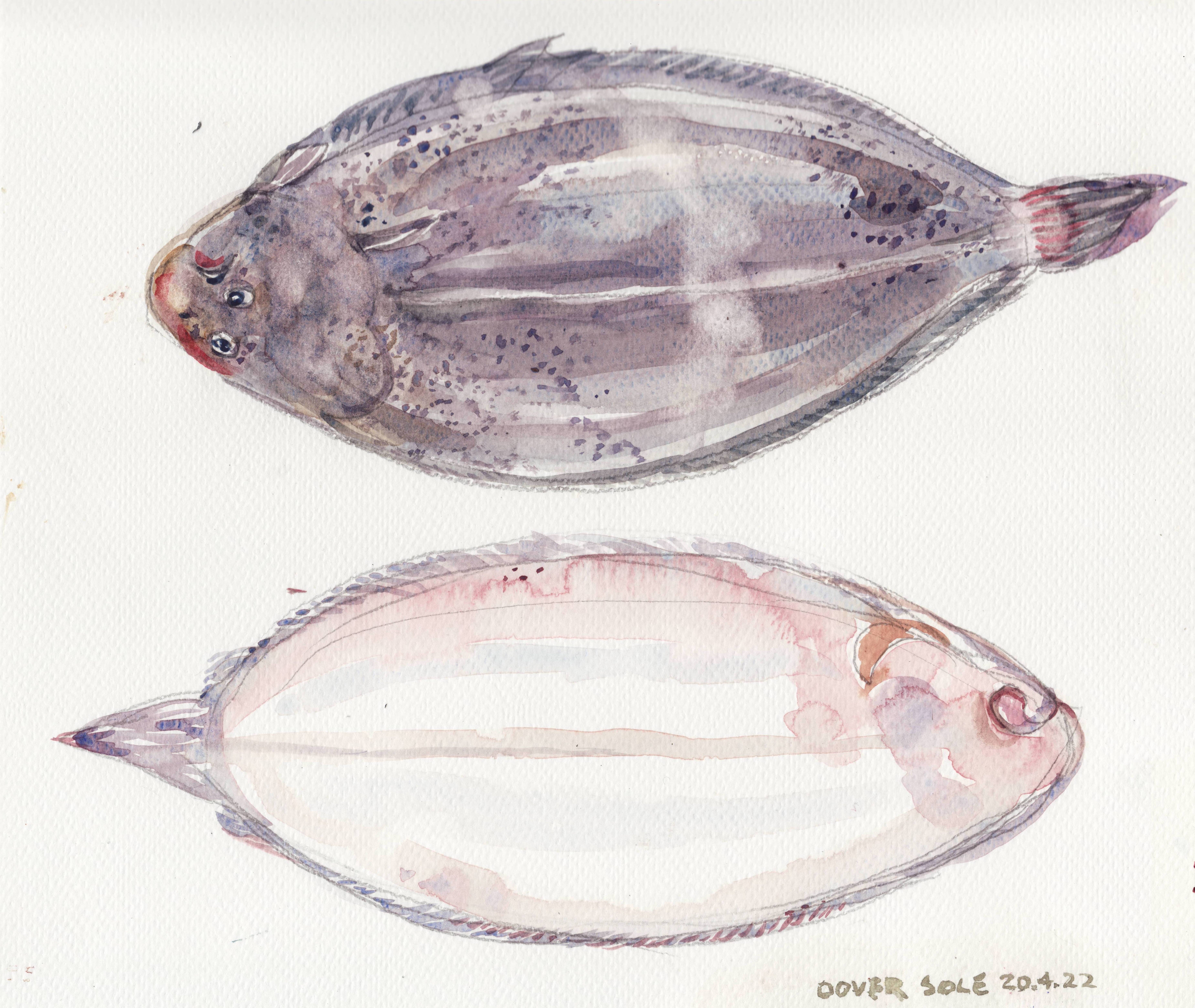
“Here, however, I shall take the liberty to defy that convention and to tell you that the lunch on this occasion began with soles, sunk in a deep dish, over which the college cook had spread a counterpane of the whitest cream, save that it was branded here and there with brown spots like the spots on the flanks of a doe.
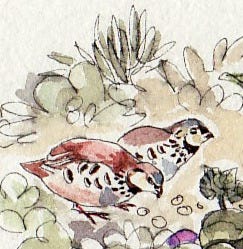
.“After that came the partridges, but if this suggests a couple of bald, brown birds on a plate you are mistaken. The partridges, many and various, came with all their retinue of sauces and salads, the sharp and the sweet, each in its order; their potatoes, thin as coins but not so hard; their sprouts, foliated as rosebuds but more succulent.
“No need to hurry. No need to sparkle. No need to be anybody but oneself. We are all going to heaven and Vandyck is of the company — in other words, how good life seemed, how sweet its rewards, how trivial this grudge or that grievance, how admirable friendship and the society of one’s kind, as, lighting a good cigarette, one sunk among the cushions in the window–seat.”
p.s. For Low Table, my beloved paid-subscribers will shortly be in receipt of Mrs. Woolf’s Oxbridge landlady’s catering. Prunes and custard, anyone?.
p.p.s. More culinary adventures in the fourth of my memoirs-with-recipes, Squirrel Pie (Bloomsbury) - why ever not?
I don’t know how I missed this but stumbled over it whilst searching for something very else. I’ve often quoted (and even dared to make a recipe for) that fragrant beef stew served at a summer supper in Lighthouse. To my mind, no other fictional food description is as evocative as that one. She cared deeply about the quality of her table and it shows. I’ve been to Charleston only once, in the company of two quarreling friends now long departed. It was, for several reasons, memorable.
Wonderful! I read. Jane Austin again and I wish she described the dinners…