


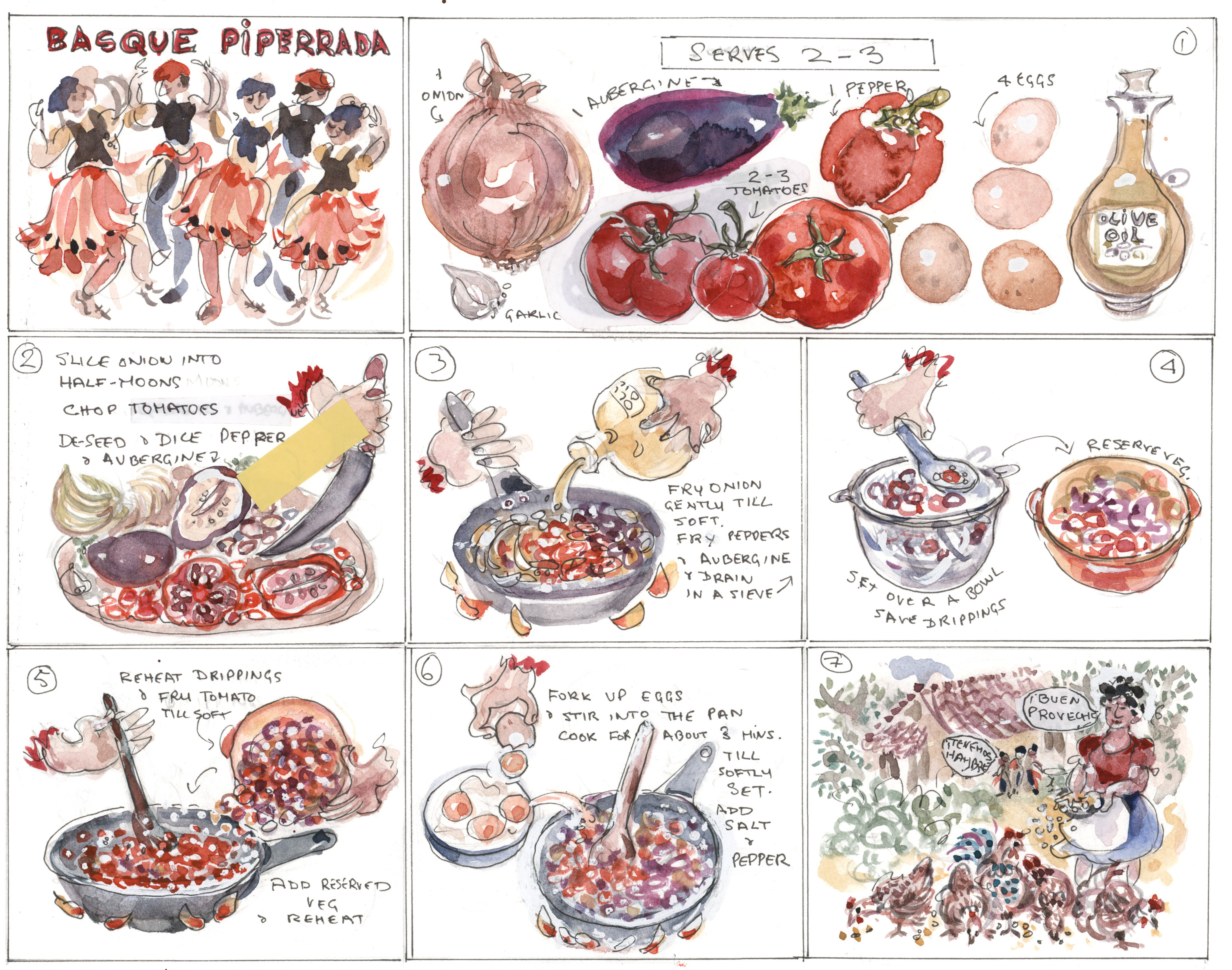
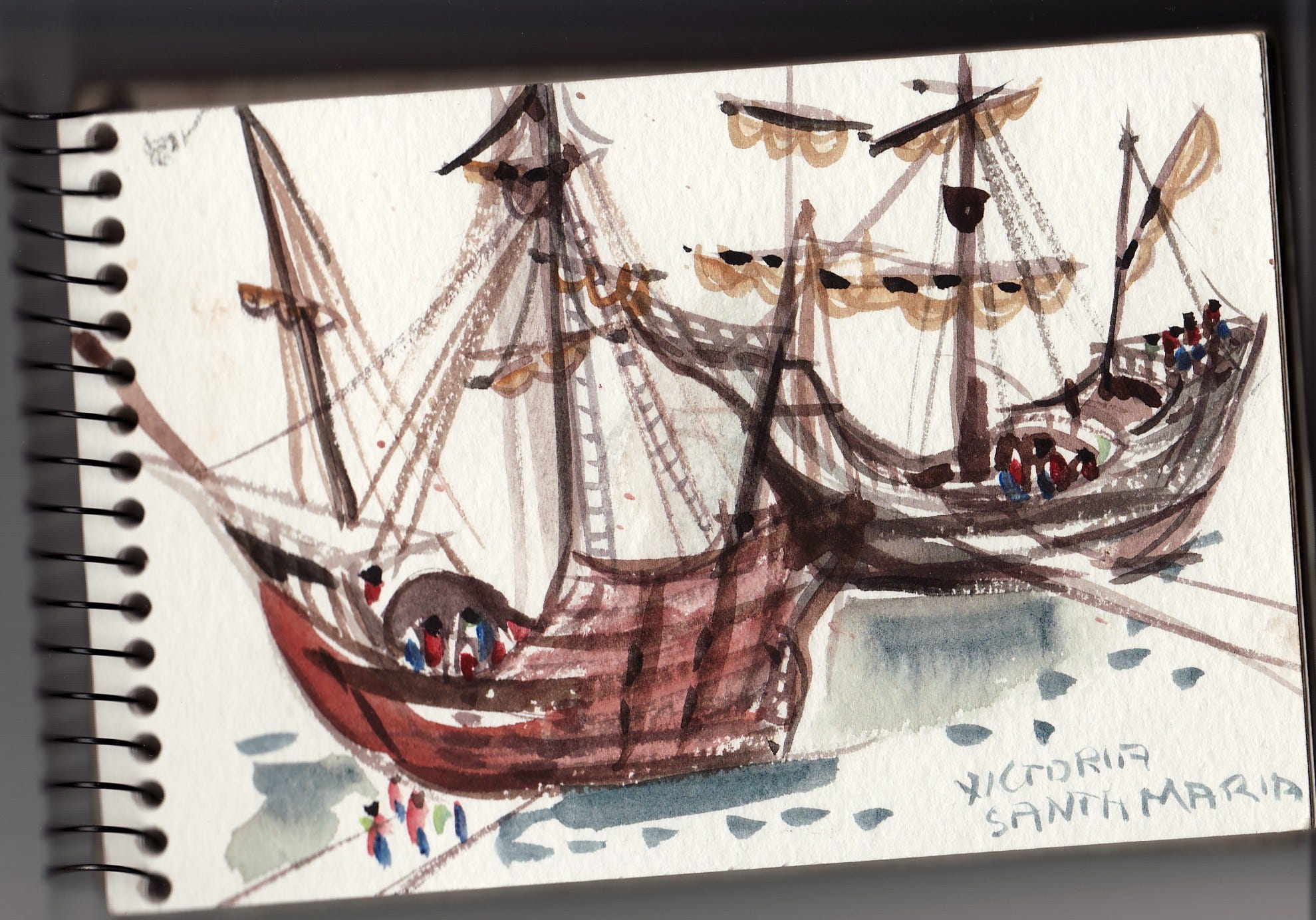
A dish of eggs scrambled with summer vegetables, piperrada, is one of the defining dishes of the Basque culinary traditions on both sides of the Pyrennean border. A sea-going people for reasons of geography - the land of the Basques, Euskadi, fronts the wild waters of the Bay of Biscay - many of the sailors on Columbus' ships were Basque. Independent of thought, word and deed - the sharpest thorn in the side of Franco's Spain - the wanderers who settled in and around the Pyrannees in 200BCE or thereabouts, kept themselves to themselves for more than two thousand years.
Myths of tribal beginnings include a line of descent from Noah's grandson, Tubal, who spoke the language of Adam and Eve in the Garden of Eden. Romance aside, the Basque language, Euskara, has no close relatives (apart from a possible relationship with Celtic, Europe's other most ancient language). Unlike the rest of the inhabitants of the Iberian Peninsula, the Basques, secure in their mountain fastnesses, were never under the Moorish thumb, so there was never a prohibition on the eating of pork. Stye-pigs of the Celtic breed common in Britain remain an important part of the diet, mostly in the form of salt-preserved meats - bacon, ham and sausage.
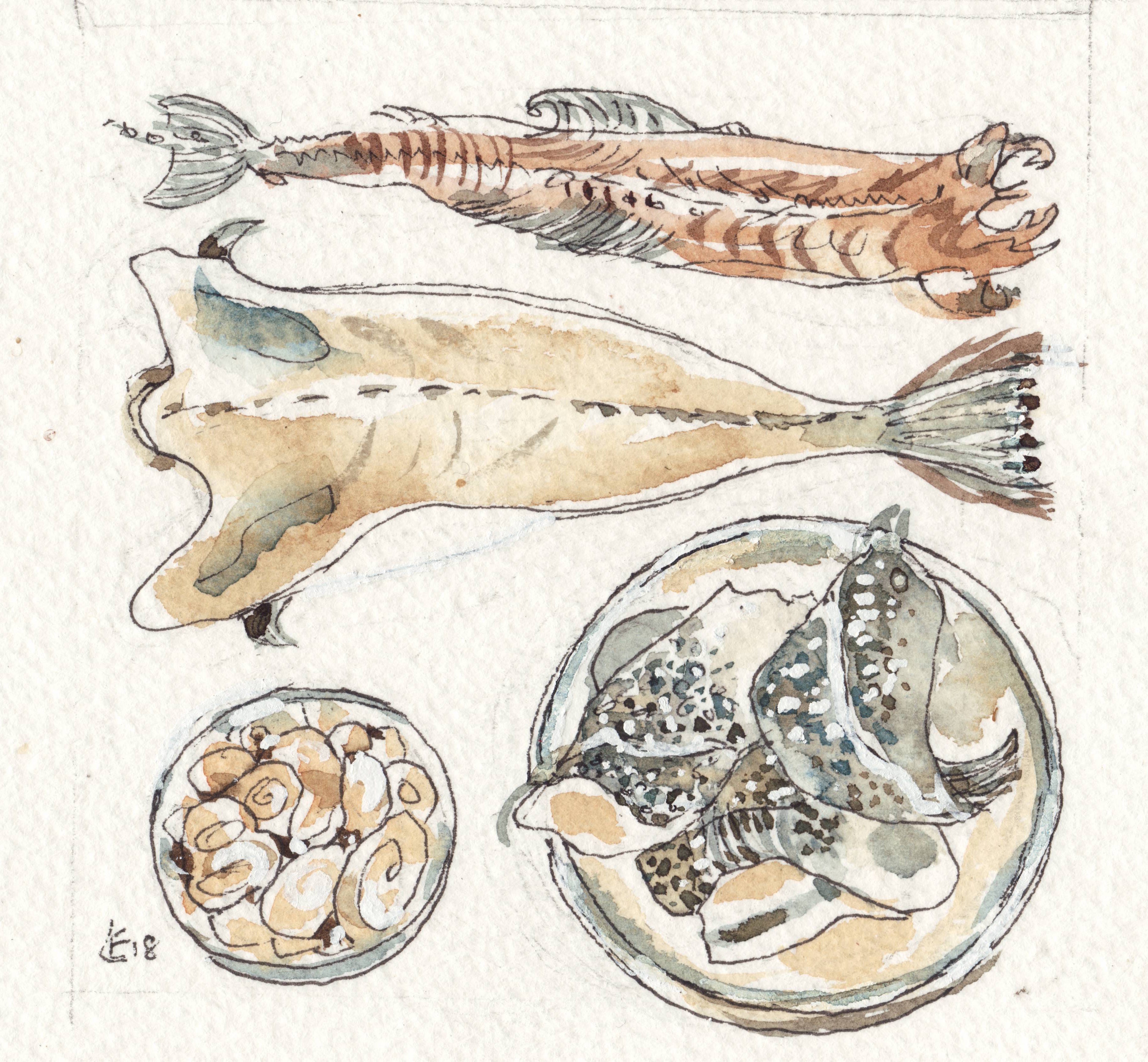
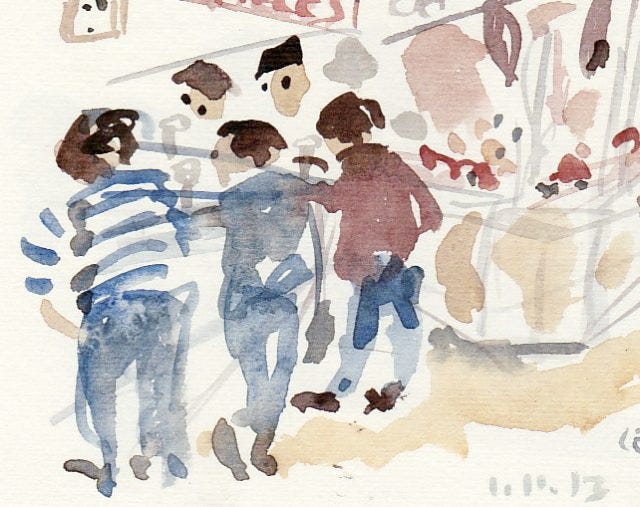
Bacalao - salt-cured wind-dried cod - provisioned the whalers and cod-fishermen that followed the migrations across the Atlantic to the shores of Newfoundland. As a result, salt-cod remains firmly on the Basque menu, particularly in the men-only cooking-clubs, sociedades gastronomicas, established as an alternative to home-cooking because, as I learned not long ago from a brotherhood of ham-curers in the pilgrim-city of Santiago, their women wouldn’t let them in the kitchen: “We couldn’t defy our wives, what else could we do?”
While women are now admitted to the sociedades as equals, the men-only tradition fostered a competitive attitude to gastronomy, leading to annual cook-offs to find the best new version of the Basque national dish, marmitakkua, a fish-stew of ancient provenance which has its name from the round-bellied cooking pot of Provence. An inventive turn of mind led to the establishment of a restaurant-culture by innovative chef-patrons who scoop up Michelin stars by the bucketful.
The inland regions, the fertile farmland on the slopes of the Pyranees, are rich in cider-apple orchards, vegetable-gardens and fields once tilled by oxen, with surplus veg and cider-mush to fatten up the sty-pig (a lazy fellow, Celtic in origin, nothing like the muscular forest-foraging ibericos or the ferocious jabalî, wild boar - though all can interbreed, and do). Hospitality in rural areas is best found in the caserios - farmhouses converted into rustic restaurants - or the asaderos, grilled-meat specialists, who serve plain-grilled steaks and chops of remarkable size and succulence from mature animals - traditionally the meat of oxen past their ploughing days.
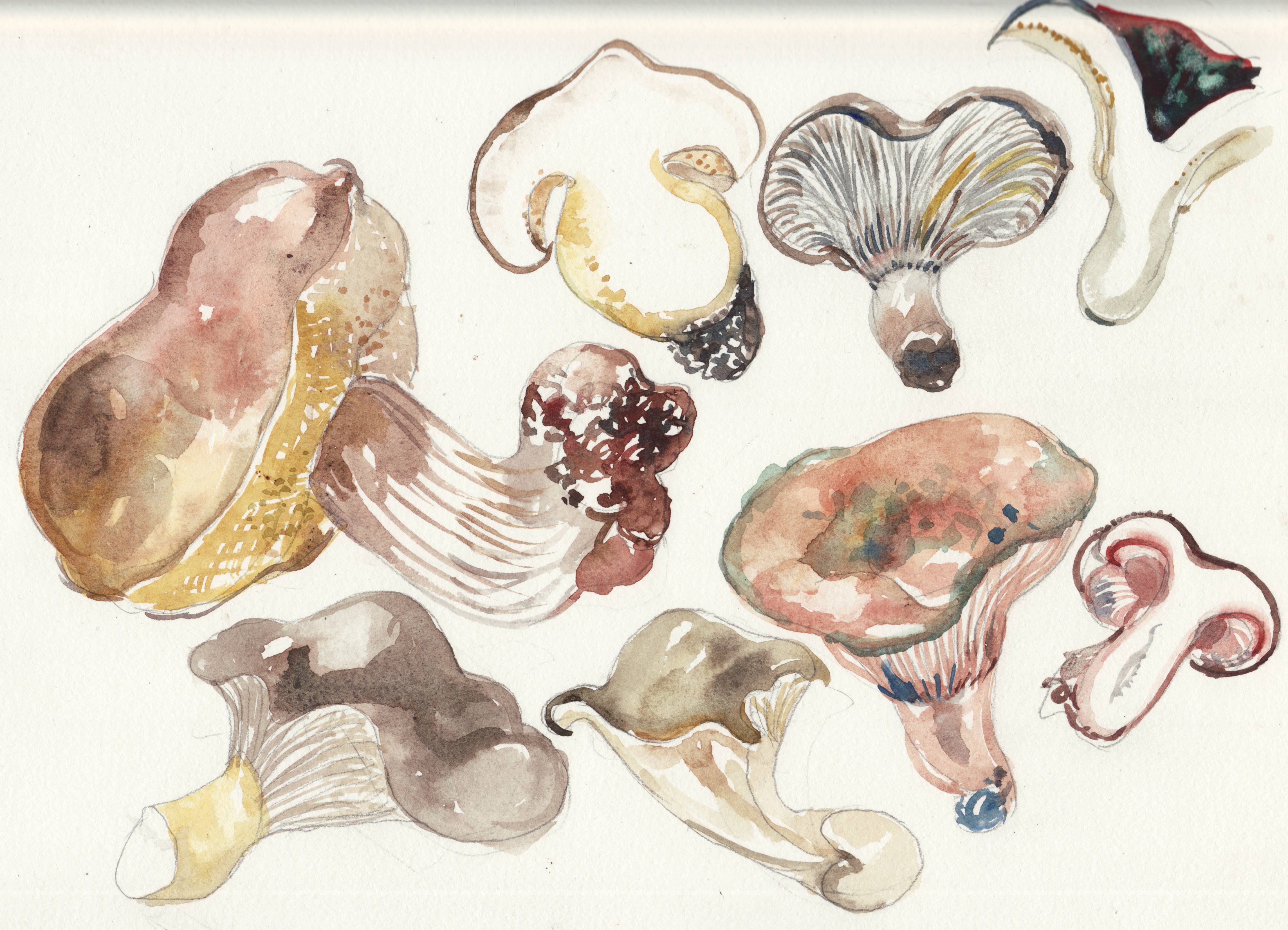
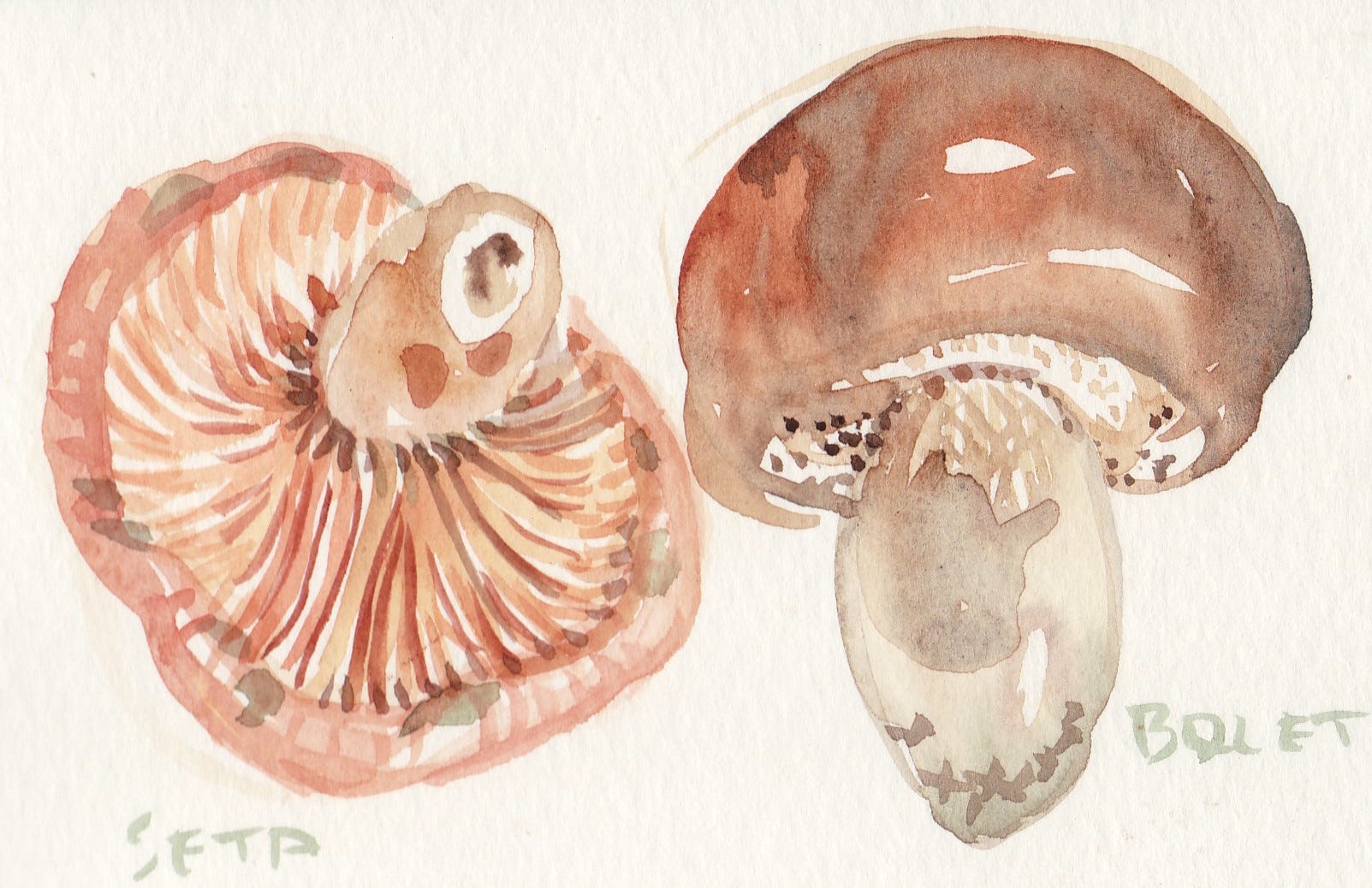
As for wild-gathering in woods and farmland, the Basques take their fungi-foraging very seriously indeed. Some thirty edible species are gathered throughout the year. First in spring is St. George's mushroom - perrixico, and the wrinkle-capped morel; autumn favourites are Amanita cesarea, the magnificent orange-capped Caesar's mushroom; Boletus edulis - the shiny-topped, pale-stalked porcini or penny-bun or cepe mushroom whose spongy underparts distinguish it from all others; and the yellow-fleshed, blue-bruising saffron milk-cap, niscalo. When gathered fresh from the woods, all are either cooked simply on the grill with maybe a splash of oil and a sprinkle of parsley, or scrambled with eggs as a revuelto, the autumn version of summer's pipirada.
p.s. Clams, crustaceans and cephalopods come with the territory - but that's for another day. For the basic marmitakkua (recipe is non-definitive - embellishments permitted), press the paid-subscription button….
Meanwhile, check out my fruit and veg prints (plus fungi and fish) on my website at https://www.elisabethluard.org/shop
How lovely! Another post that takes me back to the Carcassonne kitchen where I watched my friend's grandmother make this in the 60s, without aubergines. I didn't know what it was called, and when I came home I had to make it with tinned peppers from the Italian shops (my small East Northants town had a number of Italians working in the iron ore mines). Later, when peppers were freely available, I was cooking for a family who were rushing about doing all sorts of sports training, and we often ate at varying times. This was frequently on the menu: the base cooked in advance, when anyone got home they would heat up their portion whilst slicing ham and bread, then scramble in as many eggs as they wanted. It was christened 'mish-mash' by them, I read in Elizabeth David that it was called 'piperade. It remains a firm favourite, and I have loved reading about it and seeing the evocative illustrations. Thank you again Elisabeth!
Another rich post, so much knowledge and context, and those lovely paintings! Thank-you Elisabeth